Business Cybersecurity Is About Business Survival
For years, many organizations viewed cybersecurity as the responsibility of the IT department. However, today’s business environment tells a different story. Every new employee, cloud application, software update, AI tool, or third-party integration changes your organization’s risk profile. As a result, cybersecurity has become a business resilience issue rather than simply a technical concern. This shift was a central theme throughout 800 TECH’s recent TIC – Business Education Series. Business leaders are no longer asking, “Are our systems secure?” Instead, they are asking, “How much uncertainty can our business afford?”
Every Cyber Incident Becomes a Business Problem
Imagine arriving at work on a Tuesday morning only to discover that employees cannot access the ERP system. Production slows. Customer service cannot process requests. Warehouse staff cannot print shipping labels. Finance cannot complete payroll. Although the issue may begin in IT, the consequences quickly affect operations, customers, revenue, and reputation. Therefore, cyber incidents should never be viewed as technical events alone. They disrupt entire businesses.
Technology Changes Every Day
Many executives assume that because nothing appears wrong, their organization remains secure. Unfortunately, modern environments change constantly. Changes include; New employees, Cloud applications, Vendor integrations, Password resets, Software updates, AI adoption and Configuration changes to name a few. While each change may seem small, together they significantly alter an organization’s security posture. Consequently, yesterday’s security assessment may no longer reflect today’s reality.
Trust Has Become a Competitive Advantage
Customers increasingly expect organizations to protect their data. If clients cannot trust your business to safeguard confidential information, intellectual property, or customer records, they will likely look elsewhere. Therefore, cybersecurity directly influences customer confidence, business growth, and competitive advantage; not just regulatory compliance.
Leadership Sets the Tone
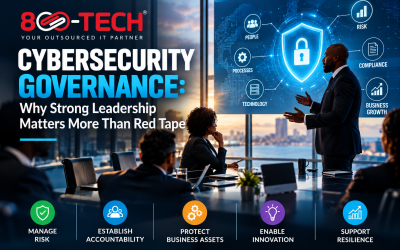
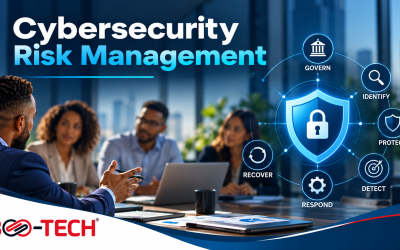
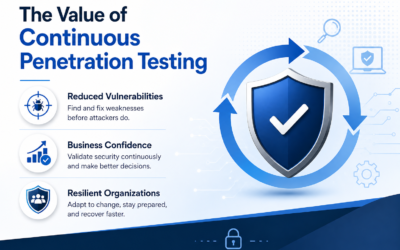
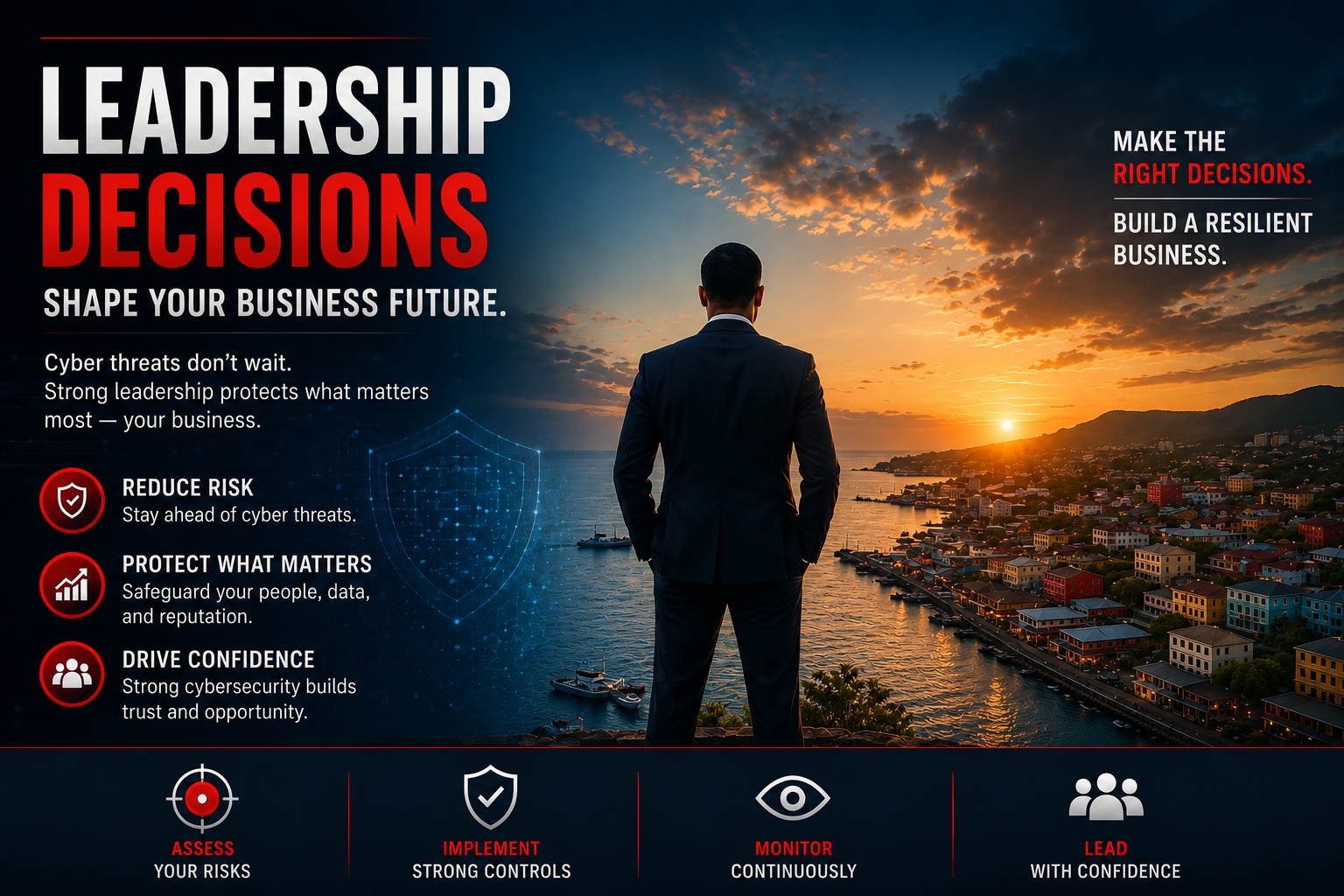
Resilient organizations share one important characteristic. Leadership takes ownership. Rather than treating cybersecurity as an IT expense, executive teams view it as an investment in business continuity. They identify critical business systems, prepare recovery strategies, test those plans regularly, and build a culture where cybersecurity becomes everyone’s responsibility. The reality is that technology now powers nearly every business process. Therefore, cybersecurity protects far more than computers; it protects revenue, operations, customer trust, and business continuity. Organizations that thrive will not necessarily avoid cyber incidents altogether. Instead, they will identify weaknesses before attackers do and make informed decisions that reduce uncertainty every day.
You can visit the cybersecurity section of our website to learn more about our cybersecurity services.
You can also learn more about cybersecurity best practices from the Cybersecurity & Infrastructure Security Agency (CISA)
For more information on validating your organization’s cybersecurity posture, call 223-TECH (223-8324) or click the link to schedule an assessment.