Business Email Compromise in the Age of Artificial Intelligence (AI): What Every Organization Needs to Know
Business email compromise is rapidly evolving, and organizations can no longer afford to treat it as just an IT issue. Instead, it must be recognized as a critical business risk that impacts finance, operations, and leadership decision-making. As Artificial Intelligence continues to reshape cyber threats, business email compromise is becoming more frequent, more convincing, and far more damaging. Therefore, leaders must understand what has changed and how to respond effectively.
How AI Is Transforming Business Email Compromise
Business email compromise has changed dramatically due to AI. Previously, phishing emails were easy to detect because they contained poor grammar, obvious errors, and suspicious links. However, that is no longer the case. Today, AI-generated emails are polished, professional, and highly personalized. In addition, they can be created at scale, which means attackers can target organizations of any size with minimal effort. As a result, business email compromise has shifted from a low-quality, high-volume tactic to a high-quality, scalable threat model.
The Alarming Data
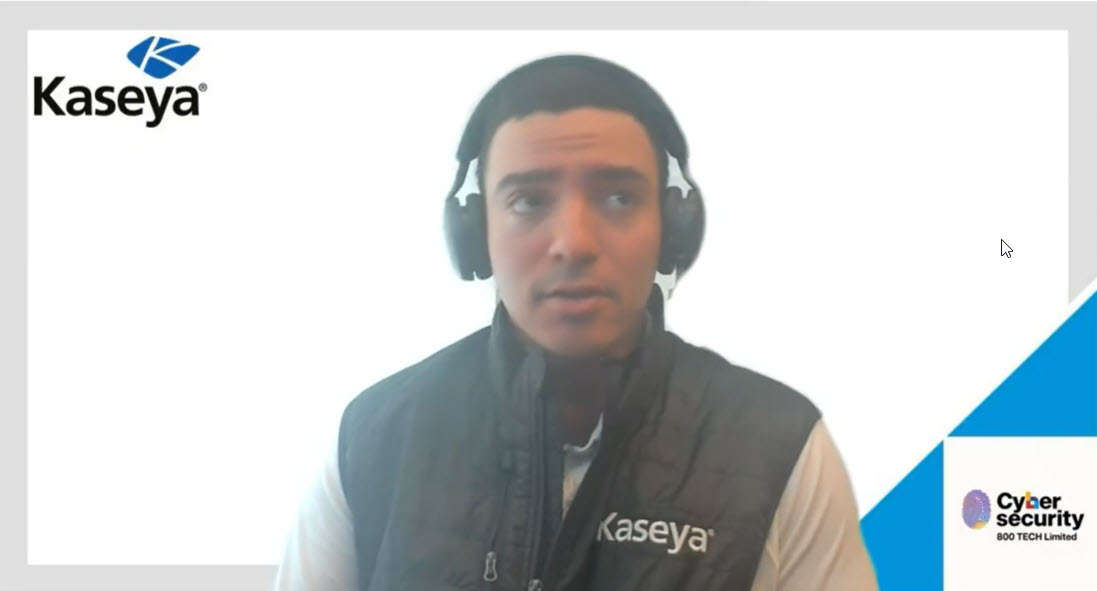
The numbers, shared by Mr. Jorge Gomez, Senior Strategy Solution Specialist at Kaseya, clearly show how serious business email compromise has become. Over 80% of phishing emails are now generated using AI, and approximately 40% of those are used in business email compromise attacks. Moreover, about 50% of users will click on these emails because they appear legitimate. Consequently, attackers are achieving higher success rates than ever before. This shift demonstrates that AI has effectively industrialized phishing, making business email compromise cheaper and more efficient for attackers.
Why Traditional Email Security Is No Longer Enough
Although traditional email security tools still function, they are no longer sufficient to stop business email compromise. These systems typically rely on static rules, known patterns, and keyword detection. However, AI-generated emails do not follow predictable patterns. Instead, each message can be unique, with no obvious red flags. Furthermore, many emails pass authentication checks such as Domain-based Message Authentication, Reporting, and Conformance (DMARC), Sender Policy Framework (SPF), and DomainKeys Identified Mail (DKIM). Therefore, organizations are often solving yesterday’s problems while facing today’s threats.
Understanding the New Threat Model
Business email compromise is no longer just about a single malicious email. Instead, it is part of a larger attack chain. For example, a convincing email can lead to credential theft, session hijacking, or unauthorized access to SaaS applications. In many cases, these actions are automated and occur in real time. As a result, a single click can quickly escalate into a full-scale breach across multiple systems.
What Modern Email Security Must Do
To effectively combat business email compromise, organizations must shift their approach. Instead of relying solely on indicators, security systems must now understand intent. This means analysing language, tone, and context in real time. Additionally, systems must detect brand impersonation and evaluate emails the way a human would. At the same time, users must be guided at the moment of interaction. For instance, visual cues or warnings can help employees pause and make better decisions.
Why Business Email Compromise Is a Leadership Issue
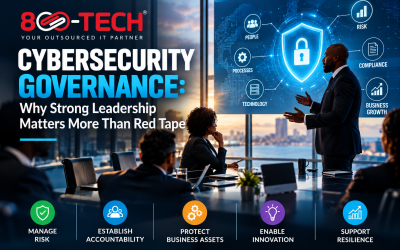
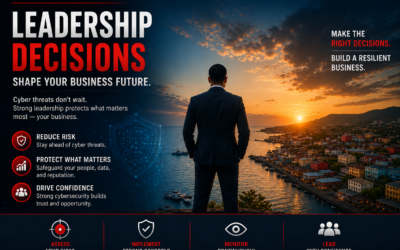
Business email compromise is not just a technical concern; it is a leadership responsibility. Nearly every organization relies on platforms like Microsoft 365 and Google Workspace, which are accessed across multiple devices and applications. This risk extends beyond IT and affects the entire organization. Additionally, cyber incidents are no longer a matter of “if” but “when.” Therefore, leaders must ensure that proper security strategies, tools, and user awareness programs are in place.
Rethinking Business Email Compromise
Business email compromise has entered a new era driven by AI. While attackers are becoming more sophisticated, organizations can still stay ahead by adapting their approach. By focusing on intent-based detection, real-time user guidance, and leadership involvement, businesses can significantly reduce their risk. Ultimately, the organizations that succeed will be those that recognize business email compromise as a strategic risk and act accordingly.
Take Action Before It’s Too Late
Business email compromise isn’t a distant threat; it’s happening every day to organizations just like yours. Waiting until an incident occurs can cost you far more than prevention ever will. Strengthen your email security now with the right strategy, tools, and expert guidance.
Ready to protect your business?
Schedule a consultation, connect with us on social media, or call 223-TECH (223-8324) to get started.