

How To Support Hybrid Teams Using 360HRM
This week, we continue our conversation about 360HRM and supporting hybrid teams utilizing 360HRM modules. In our last blog, we shared 3 modules of 360HRM and showed you how to increase productivity and efficiency in your business
In this blog, we discuss 4 more modules and how they can help support your organization.
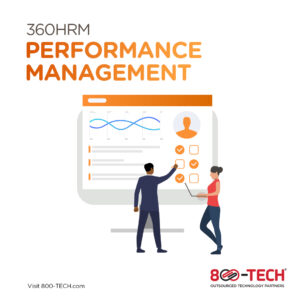
PERFORMANCE MANAGEMENT
The Performance Management module is something that most of our clients want. It is a critical module for most organizations who find it challenging to manage and monitor milestones, KPIs and deliverables. More so during these unprecedented times because now we have the rotation of staff and shift systems taking place. This performance management module, therefore, allows managers and supervisors to detail in a meaningful way all the KPIs they would like their staff to address, and the timelines it should be addressed in. Even more importantly, this information is shared easily with the staff which they can quickly review, and that’s very key. Managers and supervisors can now score their staff and provide detailed information to understand the organization’s expectations.
LEAVE MANAGEMENT MODULE
Our Leave Management module is another key module. This is critical to all organizations and provides real-time awareness of staff attendance. In some environments, when an employee applies for leave, they go on leave and return, while their form is still sitting somewhere on somebody’s desk. This module eliminates that bottleneck. It ensures that those forms reach the appropriate persons, whether it’s a supervisor or the manager, in the required amount of time so that they can act as quickly as possible. request can be accepted or declined through simple email notifications.
SECURITY MODULE
The Security Module is key in ensuring access and permissions for users of the application. An employee that has access to the program will only be able to view the modules management permits. Thus, ensuring data confidentiality is maintained.
OVERTIME SUBSISTENCE MANAGEMENT MODULE
The Overtime Management module does not speak to overtime in terms of time and a half, double-time, and triple time. Those aspects are found within the payroll application (360PMS), which is separate from the 360HRM modules.
The overtime module focuses specifically on the subsistence that should be allocated to employees. In some environments, once an employee works overtime, there’s a stipend that must be afforded to them for dinner or lunch or breakfast, in the context of their shift. This is captured in the Overtime Subsistence module, and then it’s factored into their monthly remuneration.
The module captures this information because managers and directors want to know:
- How much are we spending on overtime?
- Are we spending more money paying salaries and subsistence than is being generated during the overtime?
This module provides reports with valuable information that is necessary for the managers to make key decisions. Managers can now decide whether overtime is required for a particular project. It also informs them as to the reason behind the overtime.
- Perhaps staff has worked a full eight hours of work and are now focused on a new project.
- Perhaps it may be a situation where five minutes before the employees close off the day, a client comes in with a very large order.
This happens all the time in manufacturing companies, for example. If this order is critical, then the employees would be working overtime to fulfill the client’s request.
The Overtime Module captures this information which can then be highlighted in a report. The managers and directors receive this report and it informs how they treat overtime and measure the money that they’re spending against the money that they are recouping during the overtime process.
These are the final four modules that 360HRM. In our next blog, we will talk about the benefits of 360HRM and answer some burning questions.
Listen to the training we did here- Ask me Anything
Our Blog
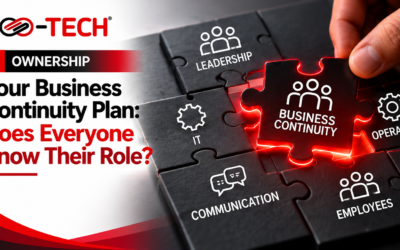
Your Business Continuity Plan: Does Everyone Know Their Role?
A business continuity plan is only as strong as its people Your business continuity plan lists the production manager, sales lead and communications officer. But have those employees ever rehearsed their responsibilities? If not, the document may offer comfort...
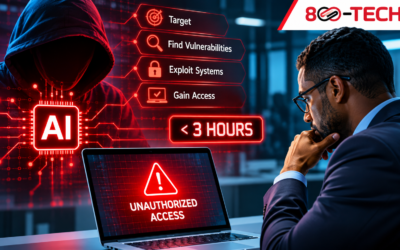
Cyberattacks Are Getting Faster. Is Your Business Ready to Respond?
800 TECH | EXECUTIVE CYBER BRIEF 18 NOVEMBER 2026 | 2-MINUTE READ The business issue: Cybercriminals are using artificial intelligence to automate attacks against businesses, reducing the time and effort needed to identify weaknesses, exploit systems and gain...
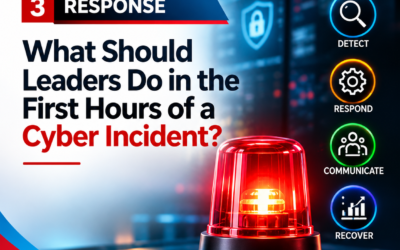
What Should Leaders Do in the First Hours of a Cyber Incident?
The first hours should activate a cyber incident response plan A finance employee notices unusual messages from a trusted supplier. Soon afterward, colleagues report suspicious sign-in activity. Should the organization disable an account, halt payments or contact...
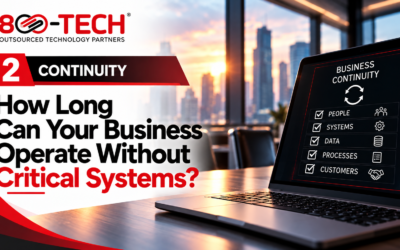
How Long Can Your Business Operate Without Critical Systems?
Which critical systems keep your business operating? Imagine a Caribbean manufacturer whose production scheduling system becomes unavailable during a busy delivery week. Employees may still arrive at work, yet orders, dispatch and customer commitments quickly suffer....
Who Is Accountable for Cybersecurity in Your Business?
Why cybersecurity accountability belongs in the boardroom? A supplier’s compromised account can cause your organization’s problem overnight. When a payment instruction changes or a customer cannot access a service, clients will look to the business, not its IT...
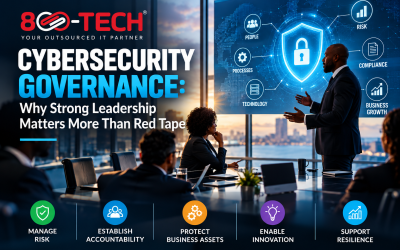
Cybersecurity Governance: Why Strong Leadership Matters More Than Red Tape
When business leaders hear the word governance, they often think of bureaucracy, lengthy approval processes, additional policies and unnecessary restrictions. However, effective cybersecurity governance should achieve the opposite. It should help organizations make...
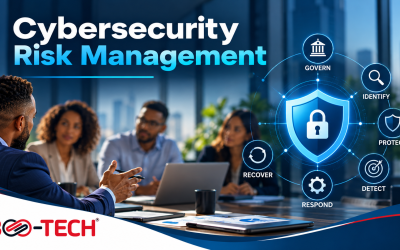
Cybersecurity Risk Management: Don’t Just Pay for Security, Test It!
Many organizations still think about cybersecurity in much the same way they think about insurance: something they pay for in case something goes wrong. It is an understandable comparison, but it creates a dangerous mindset. Cyber insurance can help absorb part of the...
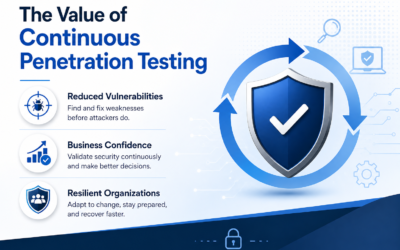
Continuous Penetration Testing: Why Modern Businesses Must Continuously Validate Security
Why Continuous Penetration Testing Matters Business environments never stand still. Every software update, cloud migration, vendor integration, employee onboarding, or configuration change introduces new opportunities for cyber attackers. Therefore, organizations can...
Business Cybersecurity: Why It’s No Longer Just an IT Issue
Business Cybersecurity Is About Business Survival For years, many organizations viewed cybersecurity as the responsibility of the IT department. However, today's business environment tells a different story. Every new employee, cloud application, software update, AI...