

In our last blog, we shared the benefits of 360IMS and how managing your inventory is now hassle-free and today we talk more about the seven (7) modules of 360IMS. As we continue to look at new and innovative ways to adjust to this new normal, there is a greater need to manage changing business environments whilst still meeting the needs and demands of our suppliers and customers.
The seven modules of 360IMS are:
Product Management Module

The Product Management module is where all the items used from the Product Database are entered i.e., raw materials and final product.
The listing of products can be imported from an external source such as an accounting software or manually entered in the application or a combination of both methods thereby providing the user with an extensive product listing.
The Product Management module contains all the pertinent data for each product such as:
- Name of Product
- Product Details
- Product Image
- Unit Price
- SKU
- Stock Quantity
- Stock Threshold
- When the stock threshold limit is reached an automated email notification is sent to the relevant manager to initiate the re-order process.
Vendor Management Module

The Vendor Management module mimics a digital ‘Vendor Directory’.
In this module, all critical information for each vendor can be found. Additionally, any new vendors can easily be added to the database and or vendor details edited.
Some key vendor details captured are:
- Vendor Name
- Registered Name
- Contact Name
- Contact Email
- Contact Number
- Contact Address
Vehicle Management Module

The Vehicle Management module allows for the scheduling, monitoring, and management of the distribution and collection of products.
Thus, ensuring drivers are zoned based on geolocation, thus saving time and money. 360IMS also ensures companies have complete oversight of their daily / monthly activities to manage their fleets.
For example, the 360IMS solution provides a detailed record of the stock loaded on each vehicle and confirmation of delivery. This information is also logged in the system and can assist with the coordination of deliveries in specific geolocations.
Pick-Up Management Module

The Pick-up Management module seamlessly integrates with the Vehicle Management module to ensure drivers’ schedules are coordinated and drivers are efficient in the execution of their duties.
An employee raises a pick-up request for:
- Customer Returns
- Collection of Purchased Items
- Collection of Items sent for maintenance and or repair.
Stores Management Module

The Stores Management module monitors and manages the exchange of raw materials and manufactured goods between the warehouse and manufacturing department.
In this module users shall be able to:
- Request raw material(s) for manufacturing-based of stock requirements.
- Track and monitor the verification and approval processes of quantities transfers, transfer deficits and thresholds.
- Request transfers of finished products to the warehouse for distribution to customers
- Monitor and manage the receipt of purchased goods and raw materials.
- Generate real-time reports and historical reports detailing trends over time.
Sales Management Module

The Sales Management module schedules, monitors and manages the sales request raised, deliveries completed on a daily / monthly basis.
This module allows the manufacturing team to forecast production needs based on a request made. Additionally, it ensures that the warehouse’s pick-ups and deliveries are well coordinated and efficient.
This module:
- Monitors and manages sales orders raised by the Sales Department. These orders are raised by text, email, phone call, or through a walk-in customer. The Sales Department will capture all key data to ensure efficiencies such as customer name, delivery/pick-up date, time, and location.
- Monitors and manages the partial and or full delivery of items to customers.
- Ensures that the Sales Department has real-time access to stock quantities.
- Ensures that the warehouse team is notified of pending sales requests. This ensures the products are prepped and ready for collection or delivery to a client,
- Integrates with the Vehicle Management module to ensure delivery efficiency and to ensure resources are maximized.
Requisition Management Module

The Requisition Management module is used by staff to raise request for products and or services needed for their department.
- Departments can raise requisitions for the purchase of products or services.
- Departments can action emergent purchases. This function allows departments to circumvent standard purchase protocols and procure goods and services the same day.
- This module can generate Purchase Orders (POs) for each requisition created.
Sign up for our FREE LIVE DEMO of 360IMS on September 30th at 2pm
Our Blog
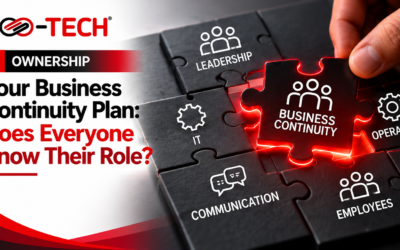
Your Business Continuity Plan: Does Everyone Know Their Role?
A business continuity plan is only as strong as its people Your business continuity plan lists the production manager, sales lead and communications officer. But have those employees ever rehearsed their responsibilities? If not, the document may offer comfort...
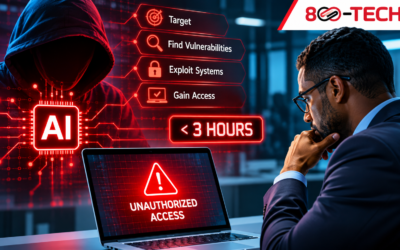
Cyberattacks Are Getting Faster. Is Your Business Ready to Respond?
800 TECH | EXECUTIVE CYBER BRIEF 18 NOVEMBER 2026 | 2-MINUTE READ The business issue: Cybercriminals are using artificial intelligence to automate attacks against businesses, reducing the time and effort needed to identify weaknesses, exploit systems and gain...
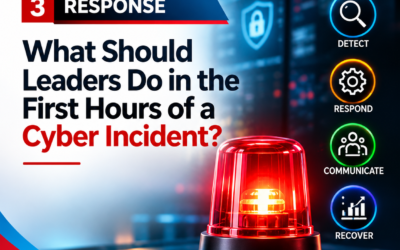
What Should Leaders Do in the First Hours of a Cyber Incident?
The first hours should activate a cyber incident response plan A finance employee notices unusual messages from a trusted supplier. Soon afterward, colleagues report suspicious sign-in activity. Should the organization disable an account, halt payments or contact...
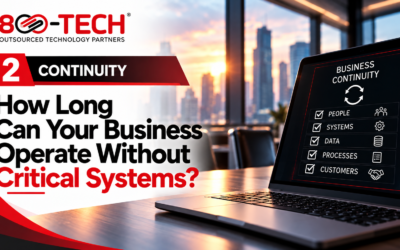
How Long Can Your Business Operate Without Critical Systems?
Which critical systems keep your business operating? Imagine a Caribbean manufacturer whose production scheduling system becomes unavailable during a busy delivery week. Employees may still arrive at work, yet orders, dispatch and customer commitments quickly suffer....

Who Is Accountable for Cybersecurity in Your Business?
Why cybersecurity accountability belongs in the boardroom? A supplier’s compromised account can cause your organization’s problem overnight. When a payment instruction changes or a customer cannot access a service, clients will look to the business, not its IT...
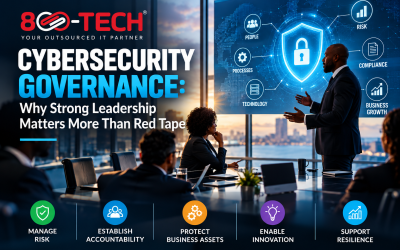
Cybersecurity Governance: Why Strong Leadership Matters More Than Red Tape
When business leaders hear the word governance, they often think of bureaucracy, lengthy approval processes, additional policies and unnecessary restrictions. However, effective cybersecurity governance should achieve the opposite. It should help organizations make...
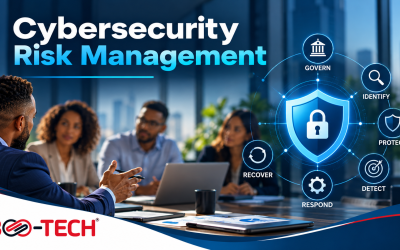
Cybersecurity Risk Management: Don’t Just Pay for Security, Test It!
Many organizations still think about cybersecurity in much the same way they think about insurance: something they pay for in case something goes wrong. It is an understandable comparison, but it creates a dangerous mindset. Cyber insurance can help absorb part of the...
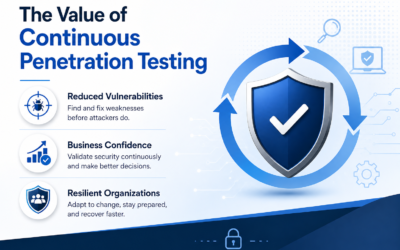
Continuous Penetration Testing: Why Modern Businesses Must Continuously Validate Security
Why Continuous Penetration Testing Matters Business environments never stand still. Every software update, cloud migration, vendor integration, employee onboarding, or configuration change introduces new opportunities for cyber attackers. Therefore, organizations can...

Business Cybersecurity: Why It’s No Longer Just an IT Issue
Business Cybersecurity Is About Business Survival For years, many organizations viewed cybersecurity as the responsibility of the IT department. However, today's business environment tells a different story. Every new employee, cloud application, software update, AI...