
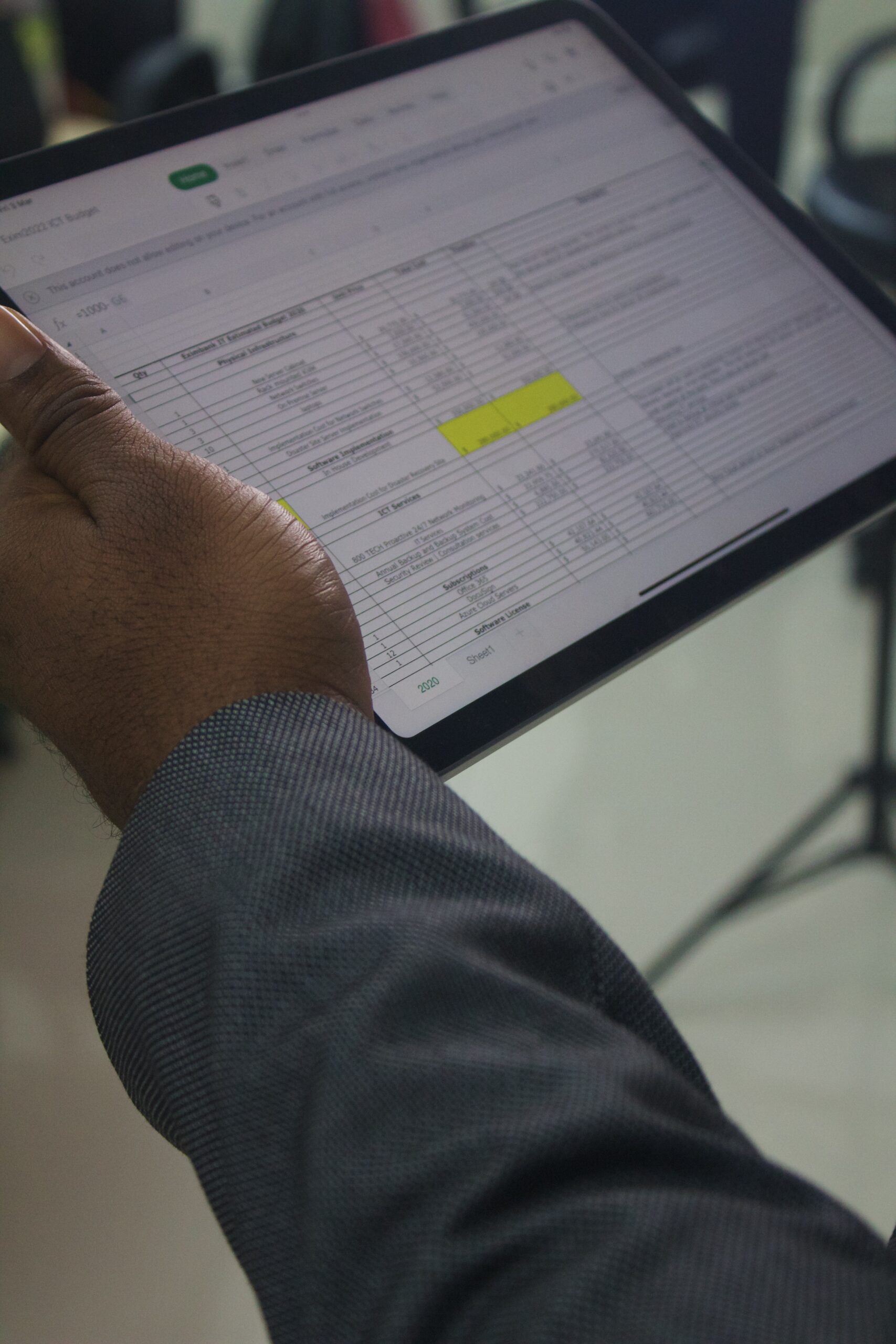
In the age of data-driven decision-making, the importance of efficient data storage and management cannot be overstated. While Microsoft Excel has long been a popular tool for organizing data, there are instances where its limitations become apparent. In this LinkedIn article, we will explore why opting for a structured database format can offer significant advantages over Excel for storing and collating data.
-
Scalability and Performance:
Excel works well for small datasets, but as the volume of data grows, its performance can deteriorate. Structured databases, such as SQL-based systems, are designed to handle large amounts of data efficiently. With proper indexing and optimization, databases ensure quick retrieval and manipulation of data, allowing for scalability as your data needs expand.
-
Data Integrity and Security:
Excel files are susceptible to human errors, accidental deletions, and unauthorized access. On the other hand, structured databases provide robust mechanisms to enforce data integrity, implement user access controls, and maintain data security. By leveraging advanced features like authentication, encryption, and audit trails, databases offer peace of mind when it comes to protecting sensitive information.
-
Data Relationships and Analysis:
Excel lacks the ability to manage complex relationships between data sets, which can hinder advanced analysis and reporting. Structured databases provide the foundation for creating logical connections between different data tables. This relational structure enables efficient querying, aggregating, and analyzing data using powerful SQL-based queries, making it easier to extract valuable insights.
-
Collaboration and Simultaneous Access:
Excel files often suffer from version control issues and challenges when multiple users need simultaneous access. Structured databases, on the other hand, support concurrent access by multiple users, ensuring data consistency and collaboration. Modern database systems also offer web-based interfaces and APIs, facilitating real-time collaboration and integration with other applications.
-
Long-term Data Maintenance:
Excel files tend to become unwieldy and prone to errors over time, making long-term data maintenance a challenging task. Structured databases, with their defined schemas and data management capabilities, provide a robust foundation for maintaining data integrity and facilitating data migration and system upgrades as your organization evolves.
While Excel remains a valuable tool for basic data organization, it may not always be the optimal choice for storing and collating large, complex datasets. Structured databases offer scalability, data integrity, security, efficient analysis, collaboration, and long-term maintenance capabilities that can enhance productivity and enable data-driven decision-making. By considering the specific needs of your organization, you can make an informed choice that empowers you to harness the true power of data.
Our Blog
Your Business Continuity Plan: Does Everyone Know Their Role?
A business continuity plan is only as strong as its people Your business continuity plan lists the production manager, sales lead and communications officer. But have those employees ever rehearsed their responsibilities? If not, the document may offer comfort...

Cyberattacks Are Getting Faster. Is Your Business Ready to Respond?
800 TECH | EXECUTIVE CYBER BRIEF 18 NOVEMBER 2026 | 2-MINUTE READ The business issue: Cybercriminals are using artificial intelligence to automate attacks against businesses, reducing the time and effort needed to identify weaknesses, exploit systems and gain...

What Should Leaders Do in the First Hours of a Cyber Incident?
The first hours should activate a cyber incident response plan A finance employee notices unusual messages from a trusted supplier. Soon afterward, colleagues report suspicious sign-in activity. Should the organization disable an account, halt payments or contact...
How Long Can Your Business Operate Without Critical Systems?
Which critical systems keep your business operating? Imagine a Caribbean manufacturer whose production scheduling system becomes unavailable during a busy delivery week. Employees may still arrive at work, yet orders, dispatch and customer commitments quickly suffer....

Who Is Accountable for Cybersecurity in Your Business?
Why cybersecurity accountability belongs in the boardroom? A supplier’s compromised account can cause your organization’s problem overnight. When a payment instruction changes or a customer cannot access a service, clients will look to the business, not its IT...

Cybersecurity Governance: Why Strong Leadership Matters More Than Red Tape
When business leaders hear the word governance, they often think of bureaucracy, lengthy approval processes, additional policies and unnecessary restrictions. However, effective cybersecurity governance should achieve the opposite. It should help organizations make...
Cybersecurity Risk Management: Don’t Just Pay for Security, Test It!
Many organizations still think about cybersecurity in much the same way they think about insurance: something they pay for in case something goes wrong. It is an understandable comparison, but it creates a dangerous mindset. Cyber insurance can help absorb part of the...
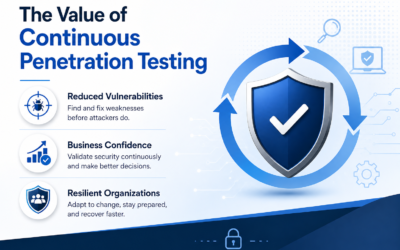
Continuous Penetration Testing: Why Modern Businesses Must Continuously Validate Security
Why Continuous Penetration Testing Matters Business environments never stand still. Every software update, cloud migration, vendor integration, employee onboarding, or configuration change introduces new opportunities for cyber attackers. Therefore, organizations can...

Business Cybersecurity: Why It’s No Longer Just an IT Issue
Business Cybersecurity Is About Business Survival For years, many organizations viewed cybersecurity as the responsibility of the IT department. However, today's business environment tells a different story. Every new employee, cloud application, software update, AI...