
If you still do not have a comprehensive HRM solution, let me introduce you to our 360HRM software.
360HRM is our Human Resource Management application that is used to aggregate employee data within the organization. The integrated workflows allows for ease of data retrieval and collaboration with real-time analytics based on your business objectives.
It consists of seven key modules, where each module is customized based on the needs of an organization. This customization is achieved during the Business Process Re-engineering (BPR) exercise (refer to a past blog post about BPR). During this exercise, each client ‘s culture and business processes are carefully analyzed. This information is harnessed and utilized to create organization specific workflows to ensure the transition of company culture while ensuring policy compliance.
HOW FLEXIBLE IS 360HRM?
The brilliance of 360HRM is its intuitive user-friendly interface which minimizes the learning curve for employees. All modules are fully customizable enabling a smooth digital transition bridging the gap with familiarity of forms, workflows and reporting guidelines, thus significantly minimizing an employees’ learning curve. The flexibility created within each of the seven modules makes for an amazing user experience. The modules are:

Employee Management – 360HRM Employee Management module simplifies the management of employee’s data. It securely captures and accesses all sensitive employee data from anywhere in the world. Consisting of crucial work-related and important personal information about each employee. In a nutshell, it is an online inventory of an employee’s life cycle within your organization.
This robust module enables:
- Employee onboarding.
- Research employee history
- Modification of employee records
- Off-boarding employees at the end of their work history.
Incident Management – is the process of identification, analysis, and implementing corrective actions to prevent future re-occurrences. Managed incorrectly, incidents can quickly escalate into disaster including loss of life. Our incident management module limits the potential of disruption caused by events. Without effective incident management, an incident can disrupt vital business functions or damage critical human resources. In most organizations incidents are a regular occurrence, how you manage these incidents are critical in ensuring these events don’t become disruptive to your business. Our incident management module has been carefully coded to:
- Capture new incident with supporting documents
- Track and report on workplace incidents
- Monitor departmental incident metrics
- Create a repository of knowledge for risk assessment
- Mitigate against future risk.


Employee Requisition Management – Finding the right talent is a key component in ensuring your business strategy. Recruitment is never an easy process, it can be time consuming but essential to finding the right fit for business. This is why we created the Employee Requisition Management system which enables organizations to maintain a database of applicants, track and manage job openings, and more. The easier it is to manage and access candidate information, the faster job openings will be filled.
In the Leave Management module, what we’ve taken into consideration is the different ways in which vacation can be accumulated. In some companies, vacation is accumulated based on the hierarchical structure in the organization, the more senior you are in a company the more vacation you’re entitled to. Therefore, the vacation leave component is structured to facilitate these differences. In other organizations vacation is based on longevity, the longer you’ve been employed with the company, the more vacation you’re entitled to, therefore the module will be customized to suit a longevity environment. And finally, in some organizations, there is a fixed amount of vacation, and that construct is also coded into the fabric of the application.
The productivity of any organization hinges heavily on how it manages the leave of its employees. 360HRM Leave Management system simplifies the management of your employee’s. It allows the organization to manage employee time-off, setup leave policies, and track the status of leave requests inclusive of supporting documents.


Overtime Management – Overtime Management is one of those crucial functions that can have an adverse effect on profitability if not managed well. 360 HRM Overtime Management module packs a heavy punch in creating a structure for tracking employee overtime requests and approvals. The data derived from Overtime Management reports provide key insight into an organization’s decisions.
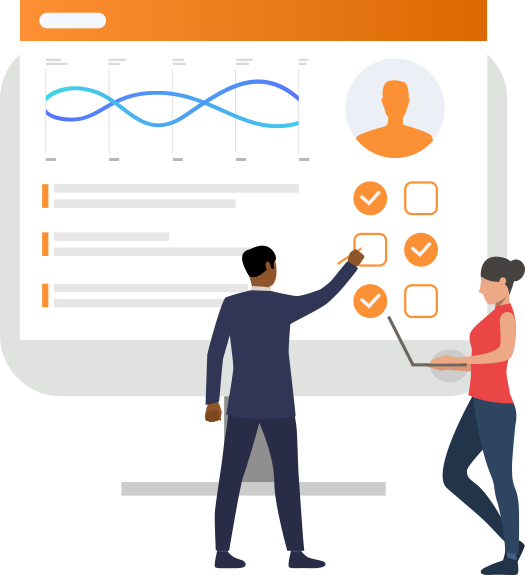
Performance Management – Retaining great employees is just the first step in growing your business. Providing feedback so they can grow with the organization and become part of the culture is equally important. 360 HRM Performance Management module allows your organization to track performance and measure Key Performance Indicators (KPI). This module assists in creating a robust workforce that suits the demands of the organization.
This scientific tool is used to measure employees overall impact based on key performance indicators. It is also a critical benchmarking instrument which signals when retooling and retraining may become necessary to bring employees back into alignment with the vision and mission.
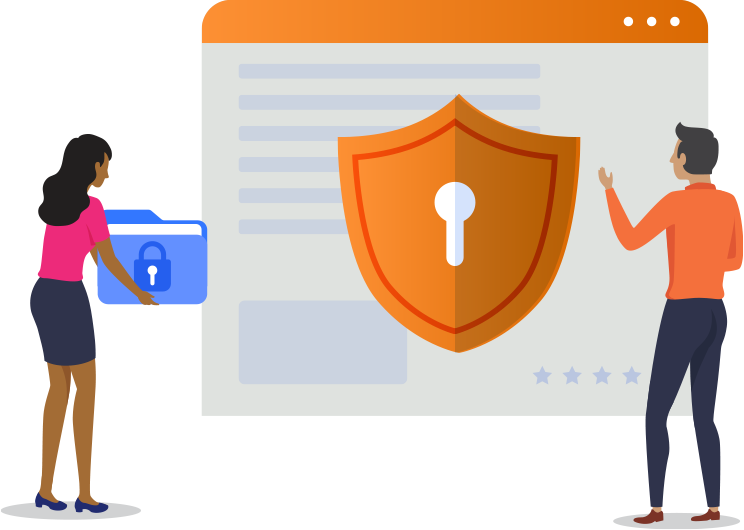
Security Management – As with any structured application we have created the admin center where all users within the organization are administered. The Security Management module is the core of the 360HRM where employee permissions are administered in tandem with the organization’s HR policies and organizational structure. The authorization groups and effective permissions are as follows:
- Executive – Full functionality and visibility of 360HRM
- Management – Monitor & manage departments subordinates including reports
- Supervisor – Management of employees
- Employee – Leave, performance management (other levels as directed by management)
We are scheduling demos of the 360HRM and you can be one of the first organizations to witness this. Schedule a consultation by clicking on the link below.
Our Blog
Your Business Continuity Plan: Does Everyone Know Their Role?
A business continuity plan is only as strong as its people Your business continuity plan lists the production manager, sales lead and communications officer. But have those employees ever rehearsed their responsibilities? If not, the document may offer comfort...
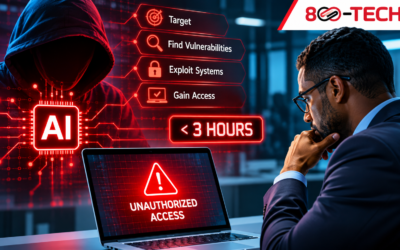
Cyberattacks Are Getting Faster. Is Your Business Ready to Respond?
800 TECH | EXECUTIVE CYBER BRIEF 18 NOVEMBER 2026 | 2-MINUTE READ The business issue: Cybercriminals are using artificial intelligence to automate attacks against businesses, reducing the time and effort needed to identify weaknesses, exploit systems and gain...
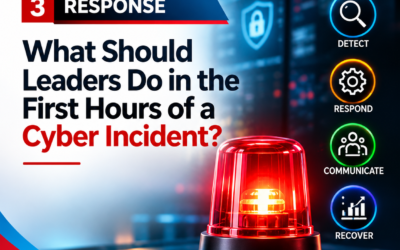
What Should Leaders Do in the First Hours of a Cyber Incident?
The first hours should activate a cyber incident response plan A finance employee notices unusual messages from a trusted supplier. Soon afterward, colleagues report suspicious sign-in activity. Should the organization disable an account, halt payments or contact...
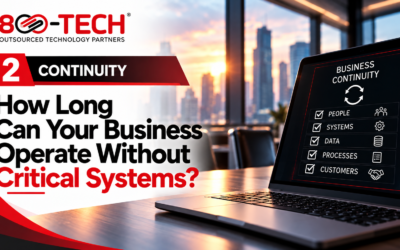
How Long Can Your Business Operate Without Critical Systems?
Which critical systems keep your business operating? Imagine a Caribbean manufacturer whose production scheduling system becomes unavailable during a busy delivery week. Employees may still arrive at work, yet orders, dispatch and customer commitments quickly suffer....
Who Is Accountable for Cybersecurity in Your Business?
Why cybersecurity accountability belongs in the boardroom? A supplier’s compromised account can cause your organization’s problem overnight. When a payment instruction changes or a customer cannot access a service, clients will look to the business, not its IT...
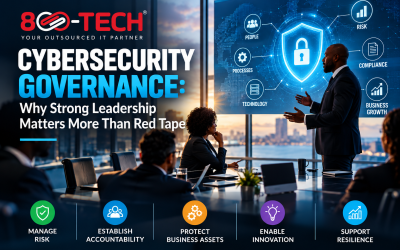
Cybersecurity Governance: Why Strong Leadership Matters More Than Red Tape
When business leaders hear the word governance, they often think of bureaucracy, lengthy approval processes, additional policies and unnecessary restrictions. However, effective cybersecurity governance should achieve the opposite. It should help organizations make...
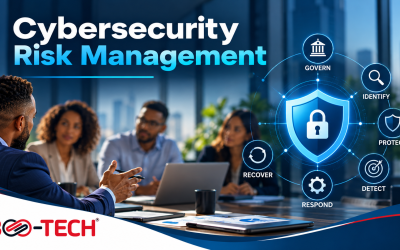
Cybersecurity Risk Management: Don’t Just Pay for Security, Test It!
Many organizations still think about cybersecurity in much the same way they think about insurance: something they pay for in case something goes wrong. It is an understandable comparison, but it creates a dangerous mindset. Cyber insurance can help absorb part of the...
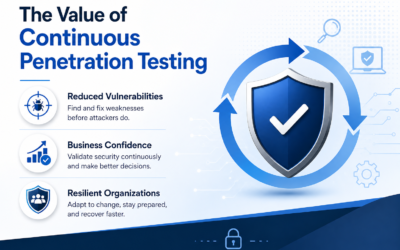
Continuous Penetration Testing: Why Modern Businesses Must Continuously Validate Security
Why Continuous Penetration Testing Matters Business environments never stand still. Every software update, cloud migration, vendor integration, employee onboarding, or configuration change introduces new opportunities for cyber attackers. Therefore, organizations can...
Business Cybersecurity: Why It’s No Longer Just an IT Issue
Business Cybersecurity Is About Business Survival For years, many organizations viewed cybersecurity as the responsibility of the IT department. However, today's business environment tells a different story. Every new employee, cloud application, software update, AI...