

In today’s rapidly evolving digital landscape, the divide between technology and businesses has become a significant challenge, particularly in the financial sector. Many businesses are hesitant to embrace technology due to their fear of the unknown. While financial constraints may play a role, it is often the fear of integrating technology that hinders progress.
Recognizing this obstacle, we embarked on a journey to address our clients’ concerns and Bridge the Gap between their comfort levels and technology adoption. We understood that transitioning from minimal technology to a comprehensive end-to-end integration would not come without its challenges.
One of the primary hurdles we encountered was the fear of job loss among some employees. As technology implementation progressed, there were concerns that certain roles might become redundant. Additionally, some employees faced difficulties in adapting to new technologies, either due to a lack of familiarity or resistance to change.
Change is often met with resistance, especially when it comes to adopting new technologies. In the finance industry, where tradition and established practices reign supreme, Bridging the Gap between technology and employees can be a daunting task. At 800 TECH, we understand the challenges associated with change and have developed a three-step strategy to facilitate a seamless transition for both employees and management.
Step 1: Education – Knowledge is Power
We believe that education is the first crucial step in embracing technological advancements. We take the time to explain how the proposed technology will bridge the gap within the finance industry, ultimately leading to improved efficiency, accuracy, and productivity. By providing employees and management with a clear understanding of the benefits and value that the technology brings, we lay the groundwork for a positive mindset and open the door to a successful transition.
Step 2: Involvement – Collaborate and Empower
We recognize the importance of involving employees and management in the decision-making process. We actively seek their input and feedback, creating a sense of ownership and collaboration. By involving key stakeholders from the early stages of implementation, we tap into their expertise and insights. This not only ensures that the technology meets the unique needs of the organization but also empowers employees to become change agents. Through this inclusive approach, we foster a supportive environment where everyone feels heard and valued.
Step 3: Encouragement and Empowerment – Embrace the Change
Change can be intimidating, but with the right support and encouragement, employees and management can develop the confidence needed to embrace the new technology. We create a positive and supportive environment, where individuals are encouraged to explore the technology, ask questions, and share their concerns. Our team is dedicated to providing ongoing training and support, empowering employees to adapt and thrive in the digital age. By celebrating milestones and highlighting success stories, we inspire a culture of continuous improvement and innovation.
800 TECH: Your Partner in Successful Technological Change
We pride ourselves on our customer-focused approach and our track record of successfully supporting employees and management in overcoming resistance to change. Our strategy of education, involvement, and encouragement has proven effective in building confidence and recognizing the potential benefits that technology brings to the finance industry.
Ready to Bridge the Gap in your industry with the power of technology? Contact us today at customerservice@800-tech.com to explore how our three-step strategy can help your organization navigate change successfully. Together, let’s embrace the future and unlock the full potential of technology in your business.
Our Blog
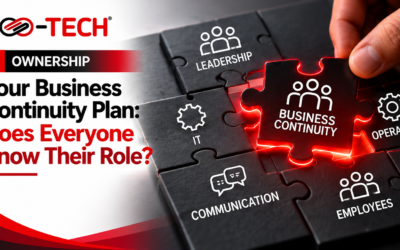
Your Business Continuity Plan: Does Everyone Know Their Role?
A business continuity plan is only as strong as its people Your business continuity plan lists the production manager, sales lead and communications officer. But have those employees ever rehearsed their responsibilities? If not, the document may offer comfort...
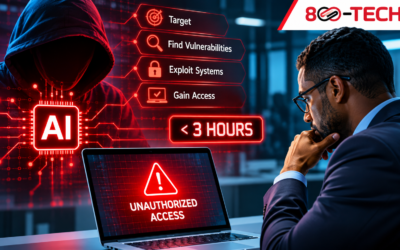
Cyberattacks Are Getting Faster. Is Your Business Ready to Respond?
800 TECH | EXECUTIVE CYBER BRIEF 18 NOVEMBER 2026 | 2-MINUTE READ The business issue: Cybercriminals are using artificial intelligence to automate attacks against businesses, reducing the time and effort needed to identify weaknesses, exploit systems and gain...
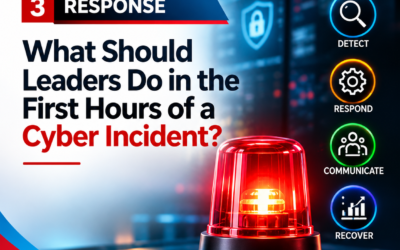
What Should Leaders Do in the First Hours of a Cyber Incident?
The first hours should activate a cyber incident response plan A finance employee notices unusual messages from a trusted supplier. Soon afterward, colleagues report suspicious sign-in activity. Should the organization disable an account, halt payments or contact...
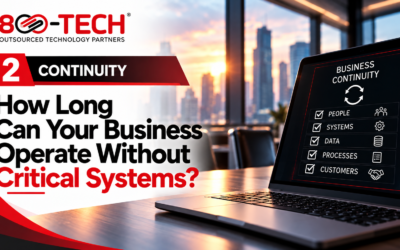
How Long Can Your Business Operate Without Critical Systems?
Which critical systems keep your business operating? Imagine a Caribbean manufacturer whose production scheduling system becomes unavailable during a busy delivery week. Employees may still arrive at work, yet orders, dispatch and customer commitments quickly suffer....
Who Is Accountable for Cybersecurity in Your Business?
Why cybersecurity accountability belongs in the boardroom? A supplier’s compromised account can cause your organization’s problem overnight. When a payment instruction changes or a customer cannot access a service, clients will look to the business, not its IT...
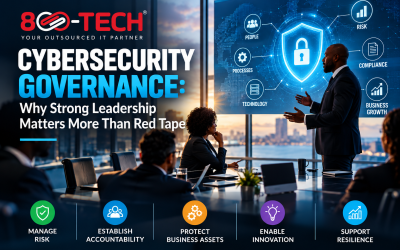
Cybersecurity Governance: Why Strong Leadership Matters More Than Red Tape
When business leaders hear the word governance, they often think of bureaucracy, lengthy approval processes, additional policies and unnecessary restrictions. However, effective cybersecurity governance should achieve the opposite. It should help organizations make...
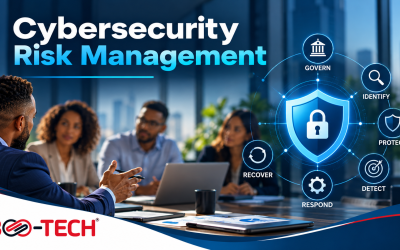
Cybersecurity Risk Management: Don’t Just Pay for Security, Test It!
Many organizations still think about cybersecurity in much the same way they think about insurance: something they pay for in case something goes wrong. It is an understandable comparison, but it creates a dangerous mindset. Cyber insurance can help absorb part of the...
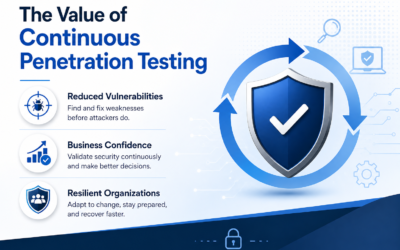
Continuous Penetration Testing: Why Modern Businesses Must Continuously Validate Security
Why Continuous Penetration Testing Matters Business environments never stand still. Every software update, cloud migration, vendor integration, employee onboarding, or configuration change introduces new opportunities for cyber attackers. Therefore, organizations can...
Business Cybersecurity: Why It’s No Longer Just an IT Issue
Business Cybersecurity Is About Business Survival For years, many organizations viewed cybersecurity as the responsibility of the IT department. However, today's business environment tells a different story. Every new employee, cloud application, software update, AI...