

We received an excellent question from one of our followers on LinkedIn. This question we received after we completed one of our weekly webinar discussions on “5 Steps to Become Globally Competitive”.
The question is, “Do I need to have a technical background to understand the system?”
Absolutely not! I’m assuming the author of this question is speaking specifically about one of our applications, the 360Suite or the E-Flow application.
Learn more about the Strategy behind becoming Globally Competitive
HOW EASY IS IT?
We have ensured that the applications are user-friendly and intuitive to the user. For example, if you have to enter the date on the system, you can manually complete the task or choose the date picker. It’s that simple. More importantly, what we’ve done is ensure that the digital flow mimics the manual process flow. In the manual process, for example, the leave form would go from the employee to the supervisor and then to the manager. In the digital process, the same applies. The employee will fill out the form, which then goes to the supervisor who verifies, and then it moves on to the manager who approves. There’s absolutely no difference.
But the benefits are insurmountable. All of the information you need to verify and approve a form resides right in the database. This information is readily available because of the interdepartmental collaboration that exists, and more importantly, because of a centralized database that coexists within the digital environment.
DO YOU NEED A TECHNICAL BACKGROUND?
The short answer to the question is – absolutely not! You don’t need a technical background. Leave that to us. All you need to know is exactly what you know right now, how your business process works and how to fill out the manual forms because the same content is required when you’re in the digital environment.
WHAT’S NEXT?
If you have missed out on any of our discussions on the 5 Steps to Become Globally Competitive, then listen to all of them here.
And continue to follow us to continue learning more – https://www.linkedin.com/company/800tech/
Our Blog
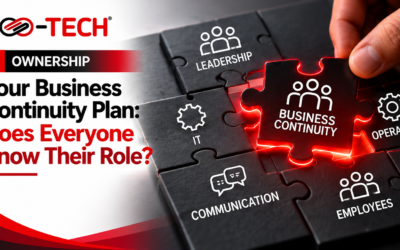
Your Business Continuity Plan: Does Everyone Know Their Role?
A business continuity plan is only as strong as its people Your business continuity plan lists the production manager, sales lead and communications officer. But have those employees ever rehearsed their responsibilities? If not, the document may offer comfort...
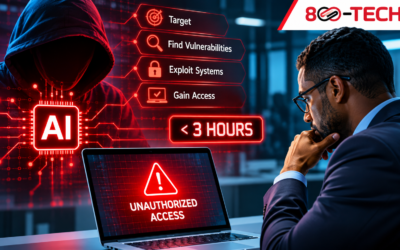
Cyberattacks Are Getting Faster. Is Your Business Ready to Respond?
800 TECH | EXECUTIVE CYBER BRIEF 18 NOVEMBER 2026 | 2-MINUTE READ The business issue: Cybercriminals are using artificial intelligence to automate attacks against businesses, reducing the time and effort needed to identify weaknesses, exploit systems and gain...
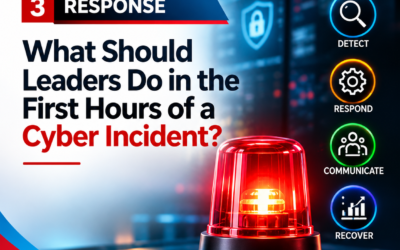
What Should Leaders Do in the First Hours of a Cyber Incident?
The first hours should activate a cyber incident response plan A finance employee notices unusual messages from a trusted supplier. Soon afterward, colleagues report suspicious sign-in activity. Should the organization disable an account, halt payments or contact...
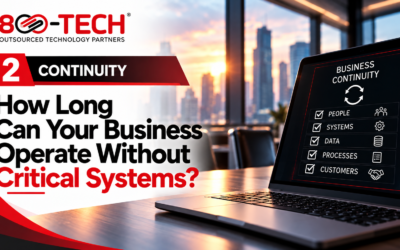
How Long Can Your Business Operate Without Critical Systems?
Which critical systems keep your business operating? Imagine a Caribbean manufacturer whose production scheduling system becomes unavailable during a busy delivery week. Employees may still arrive at work, yet orders, dispatch and customer commitments quickly suffer....
Who Is Accountable for Cybersecurity in Your Business?
Why cybersecurity accountability belongs in the boardroom? A supplier’s compromised account can cause your organization’s problem overnight. When a payment instruction changes or a customer cannot access a service, clients will look to the business, not its IT...
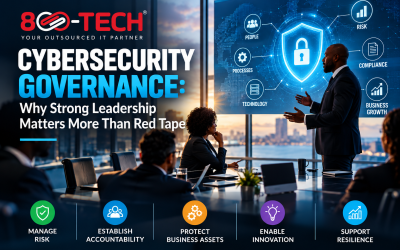
Cybersecurity Governance: Why Strong Leadership Matters More Than Red Tape
When business leaders hear the word governance, they often think of bureaucracy, lengthy approval processes, additional policies and unnecessary restrictions. However, effective cybersecurity governance should achieve the opposite. It should help organizations make...
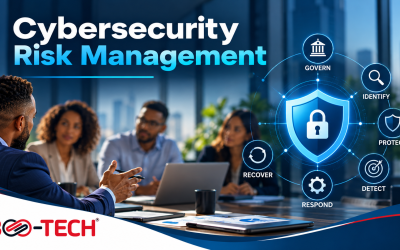
Cybersecurity Risk Management: Don’t Just Pay for Security, Test It!
Many organizations still think about cybersecurity in much the same way they think about insurance: something they pay for in case something goes wrong. It is an understandable comparison, but it creates a dangerous mindset. Cyber insurance can help absorb part of the...
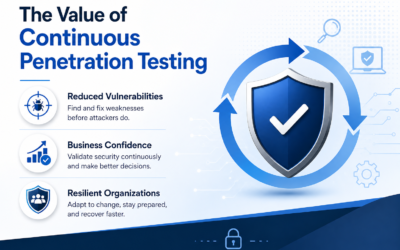
Continuous Penetration Testing: Why Modern Businesses Must Continuously Validate Security
Why Continuous Penetration Testing Matters Business environments never stand still. Every software update, cloud migration, vendor integration, employee onboarding, or configuration change introduces new opportunities for cyber attackers. Therefore, organizations can...

Business Cybersecurity: Why It’s No Longer Just an IT Issue
Business Cybersecurity Is About Business Survival For years, many organizations viewed cybersecurity as the responsibility of the IT department. However, today's business environment tells a different story. Every new employee, cloud application, software update, AI...